
Y. Thipmaungprom, L. Saliekh, R. Alonso(@goguialonso), É. Roldán (@edgarroldankb) F. Berger (@DrFlorianBerger), R. Belousov (@ribelousov) | Open Access by CC BY 4.0, PRX Life 4, 013039 (2026).
Tiny organelles in the inner ear, known as hair bundles, enable vertebrates to detect faint sounds and actively amplify them.1–4 These microscopic structures are not passive sensors: they consume energy and can oscillate spontaneously. Although such an active motion has been observed for decades, why and how it improves hearing has remained an elusive question.
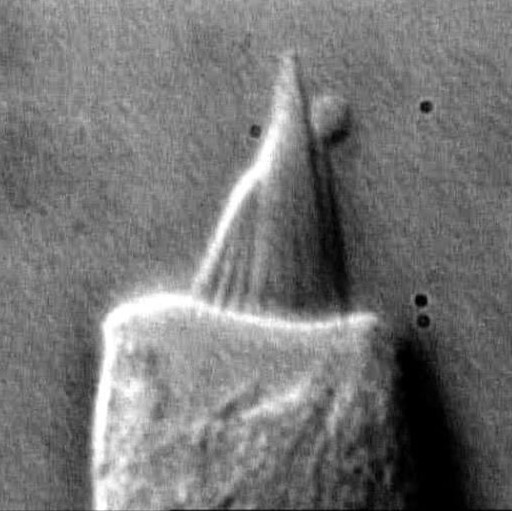
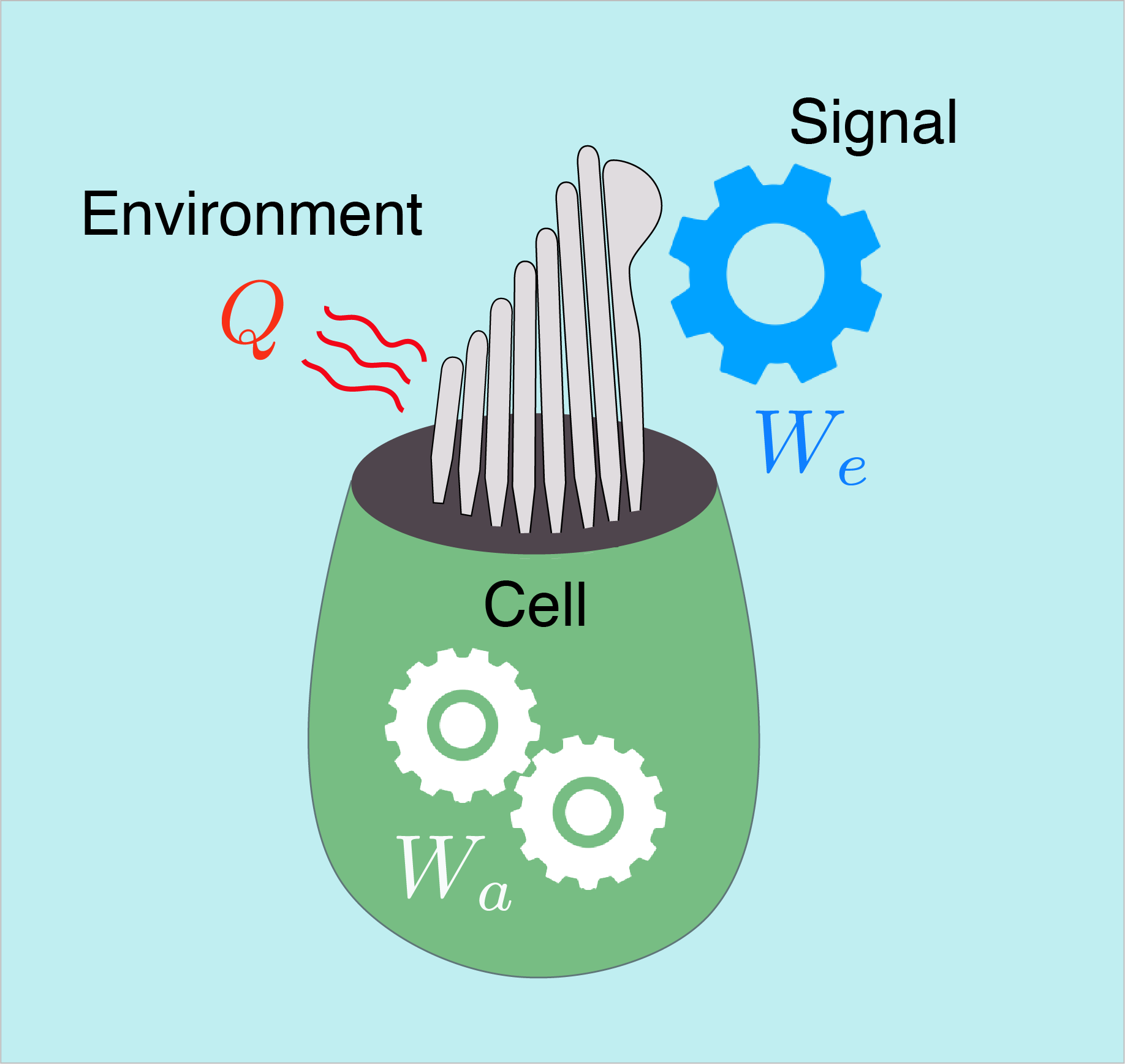
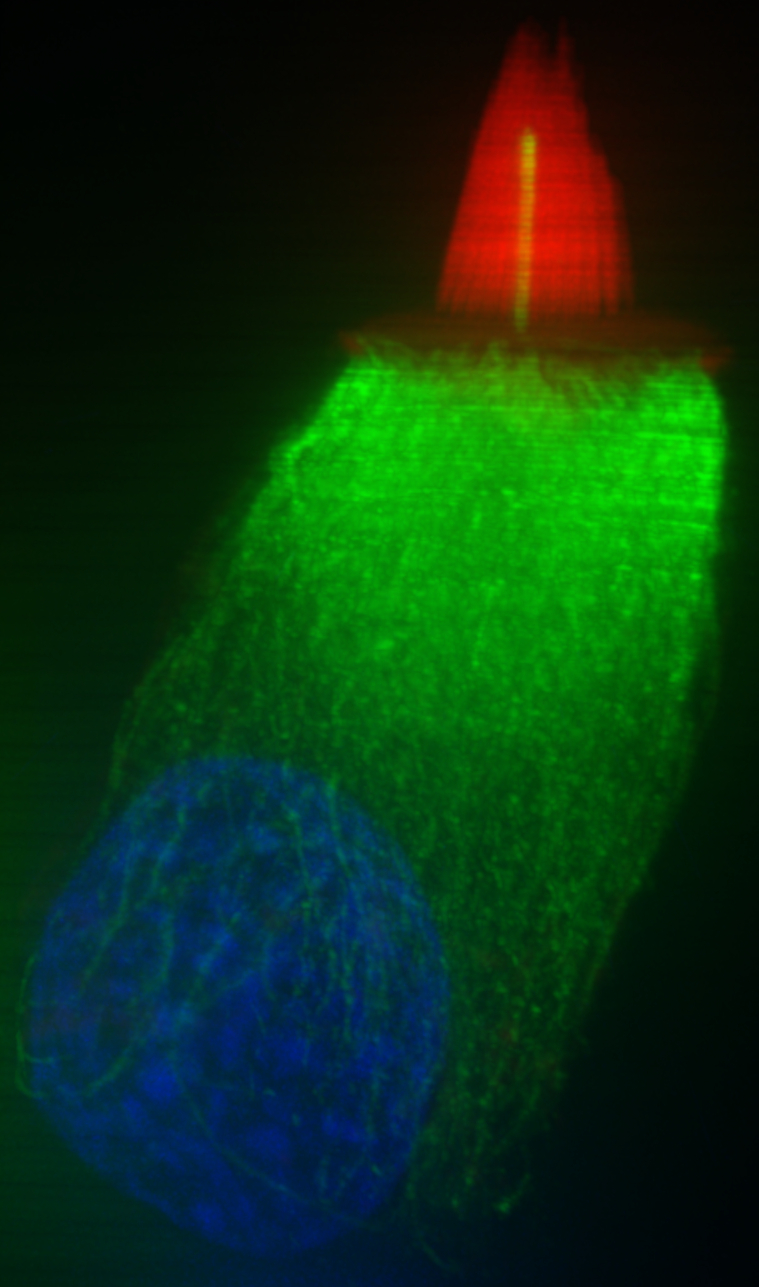
The present work shows that hair bundles behave like miniature machines that convert and control mechanical energy in different ways depending on the signals they receive. Externally stimulated, these organelles operate in distinct thermodynamic modes. They can absorb energy from incoming sound signals, acting as sensitive detectors, or under different conditions feed energy back into the stimulus, thereby amplifying it. Their spontaneous oscillations also dissipate energy, effectively turning them into microscopic heaters. Remarkably, a fourth regime enables the hair bundles to extract energy from fluctuations like tiny refrigerators.
The results of the present work reveal that hair bundles are resourceful energy-processing machines. By operating in different thermodynamic modes, they dynamically regulate mechanical energy at the smallest biological scales.
References
- How Hair Cells in the Ear Actively Respond to Sound. Physics 19, 45.
- Hearing Machines. ICTP News.
- How hair-cell bundles in the inner ear not only sense sound, but also amplify it. Utrecht University News.
- Thermodynamic signatures of sensing and amplification by periodically-driven hair-cell bundles. PRX Life 4, 013039.